Walk-in showers with benches offer a safer, more comfortable bathing experience for seniors. In this guide, we explore five essential features to consider—from durable materials to added safety elements like grab bars—to help you choose a design that supports both independence and peace of mind.
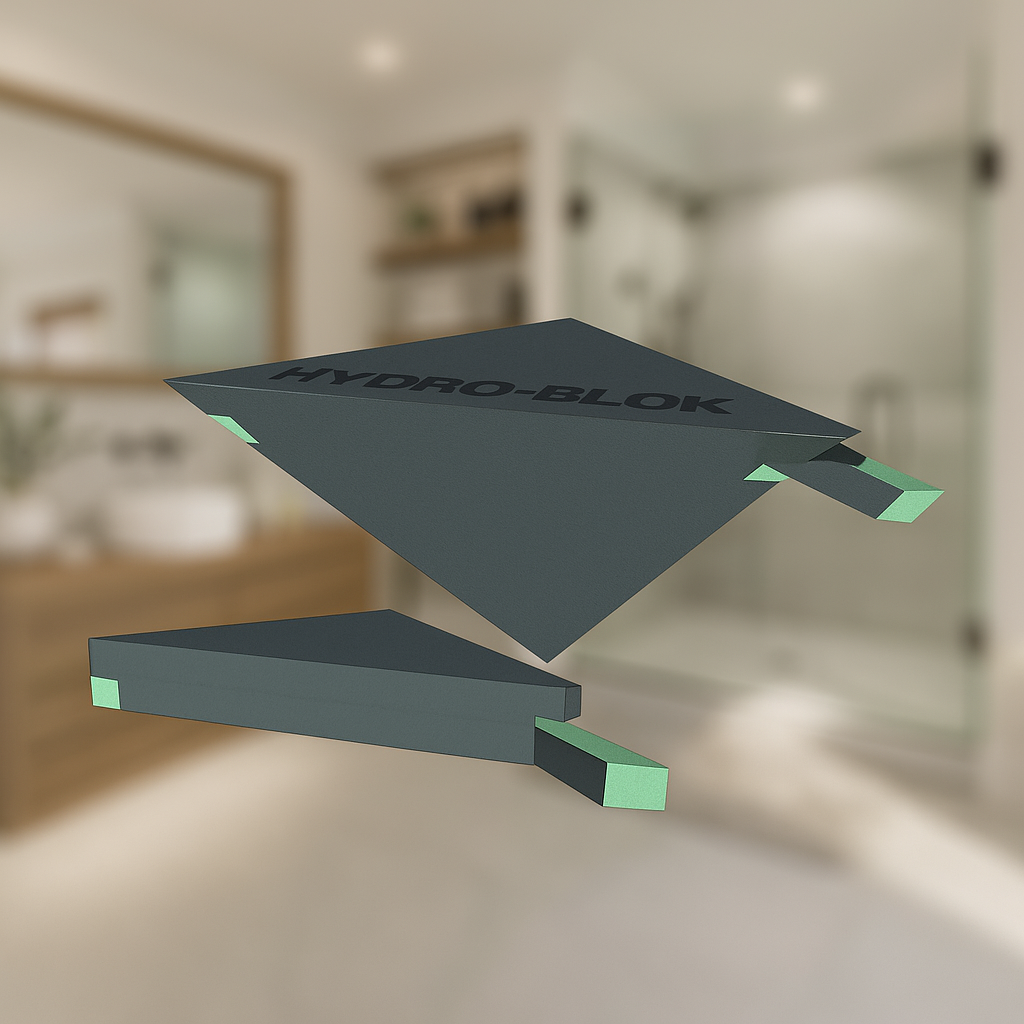
Top 5 Features to Look for in a Walk-In Shower with Bench for Elderly Safety and Comfort
As we age, mobility and balance can become challenging, making daily activities like showering potentially hazardous. A walk-in shower with a bench is an excellent solution that combines both safety and comfort for elderly individuals. When designed thoughtfully, it can transform a regular shower into a safe, accessible space that promotes independence. In this blog post, we will explore the top five features to consider when investing in a walk-in shower bench. From the materials used for the bench to additional safety features like grab bars, we will cover everything you need to know to make an informed decision.
The Importance of a Walk-In Shower Bench for Elderly Comfort and Safety
When designing a bathroom for elderly individuals, safety and comfort are the top priorities. A walk-in shower bench provides an essential component for both. Here’s why:
Comfort:
A walk-in shower bench allows elderly users to sit down while showering, reducing strain on their joints and muscles. For individuals with limited mobility, this feature offers a comfortable and stress-free bathing experience. The bench also provides a resting place, ensuring that the elderly don’t have to stand for long periods during their shower.
Safety:
Falls in the bathroom are a significant concern, particularly among the elderly. A walk-in shower bench reduces the risk of falls by providing a stable, secure surface to sit on. It’s especially beneficial for individuals with balance issues, as it eliminates the need to stand for the entire duration of the shower. Additionally, the bench can serve as a support point when getting in and out of the shower.
Enhanced Independence:
Elderly individuals often prefer to maintain their independence for as long as possible. A walk-in shower bench supports this goal by allowing them to shower without the need for assistance, boosting their confidence and preserving their dignity.
DIY Solutions for Unclogging Your Shower Drain
Before you call a professional, you might want to try unclogging your shower drain yourself. Many clogs can be resolved with some basic tools and household items. Here are some popular DIY methods you can use to unclog your shower drain:
Use of a Plunger or Plumber’s Snake
A plunger is a simple yet effective tool for unclogging drains. Start by filling the shower with enough water to cover the base of the plunger. Then, create a tight seal around the drain and use forceful, rhythmic plunging motions to try and dislodge the clog. If the clog isn’t too severe, this method can be quite effective.
For more stubborn clogs, a plumber’s snake (also known as an auger) is a handy tool. Insert the snake into the drain, slowly feeding it down the pipe. Once you reach the clog, rotate the handle to break up the blockage, then pull the snake out, removing the debris. This method works well for hair clogs or other blockages deeper within the drain.
Pros: Inexpensive, reusable tools; effective for clogs near the surface.
Cons: May not reach deeper clogs; requires some physical effort.
Vinegar and Baking Soda Method
This eco-friendly method is a popular choice for dissolving minor clogs. Start by pouring a pot of boiling water down the drain to loosen any gunk. Next, pour half a cup of baking soda into the drain, followed by a cup of vinegar. The chemical reaction between the baking soda and vinegar will fizz and bubble, helping to break up the clog. After about 15 minutes, flush the drain with hot water again.
Pros: Non-toxic, inexpensive, easy to use.
Cons: Not effective for severe clogs or foreign objects.
Hot Water Flushes
For minor clogs caused by soap scum or grease, sometimes all it takes is a good flush with hot water. Boil a pot of water and carefully pour it directly down the drain in stages. The hot water can dissolve soap scum and help break up smaller clogs. Be cautious with this method if you have PVC pipes, as extremely hot water can damage them.
Pros: Simple and effective for minor clogs; no special tools needed.
Cons: Ineffective for significant blockages.
Drain Cleaners (Caution About Chemical Use)
Chemical drain cleaners are widely available and can be effective for certain types of clogs, particularly those caused by hair and soap scum. However, they come with some risks. The harsh chemicals in these products can be harmful to your pipes, especially if used repeatedly. They can also be dangerous if not handled correctly, causing burns or releasing toxic fumes.
If you choose to use a chemical drain cleaner, follow the instructions carefully and only use it as a last resort.
Pros: Effective for dissolving tough clogs.
Cons: Can damage pipes; harmful to the environment and potentially dangerous to use.
When to Call a Professional
While DIY methods can be effective for minor clogs, there are times when it’s best to leave the job to a professional. Here are some warning signs that indicate you should call a plumber:
Persistent Clogs
If you’ve tried multiple DIY methods and your shower drain continues to clog, it’s a sign that the blockage may be deeper in your plumbing system. Persistent clogs often require specialized tools and expertise to resolve, as they can indicate a more significant issue with your pipes.
Foul Odors
A lingering foul smell coming from your shower drain is a red flag. This odor could be caused by trapped debris, mold, or even sewage backup. DIY solutions won’t be enough to resolve the underlying issue, and you may need a professional plumber to thoroughly clean and inspect your drain.
Water Damage
If you’ve noticed water pooling around the base of your shower, on the floor, or even in adjacent rooms, it’s time to call a professional immediately. Water damage can lead to mold growth, structural issues, and costly repairs if not addressed promptly. A plumber can assess the situation and determine if there’s a more significant problem within your plumbing system.
Professional Assessment and Expertise
Professionals have the tools and experience to diagnose and fix complicated drain issues. They can use advanced techniques, such as video camera inspections, to identify blockages deep within your pipes that DIY methods can’t reach. Additionally, they can check for other potential problems, such as pipe corrosion, tree root intrusion, or poor installation, and recommend long-term solutions.
HydroBlok, a leader in shower installation and repair, has the expertise needed to not only fix clogged drains but also address any underlying issues. Whether it’s improper installation, faulty plumbing, or recurring clogs, HydroBlok can ensure your shower system is functioning optimally.
Final Thoughts
Maintaining a clean and functional shower drain is essential to prevent the inconvenience and potential damage that comes with clogs. While DIY methods can help with minor blockages, they aren’t always enough for persistent or severe issues. Knowing when to call a professional can save you time, money, and frustration in the long run.
If you’re dealing with a clogged shower drain that DIY methods can’t fix, or you suspect a more serious issue with your plumbing, HydroBlok is here to help. With their expertise in shower installation and repair, they can ensure your drain is cleared and your plumbing system is in top shape. Don’t let a clogged drain disrupt your daily routine—contact HydroBlok today for professional shower drain solutions.
Frequently Asked Questions (FAQs)
1. How do shower drains work?
Shower drains function by channeling water from the shower floor into the plumbing system. The drain is typically located at the lowest point of the shower floor, allowing gravity to direct water towards it. Water flows through a grate or cover, which prevents large debris from entering the pipes. Underneath the grate, a drainpipe leads to a trap, which is a curved section of pipe that holds a small amount of water to prevent sewer gases from escaping. From the trap, water continues through the plumbing system to the home’s main sewer line or septic tank.
2. Are shower drain covers removable?
Yes, most shower drain covers are removable. They are usually designed to be easily lifted or unscrewed for cleaning or maintenance. Removing the cover allows you to access the drain and clean out any debris or hair that may have accumulated, which can help prevent clogs and maintain proper drainage. If you have trouble removing the cover, it might be helpful to use a tool like a flathead screwdriver or consult the manufacturer’s instructions.
3. What causes a shower drain to clog?
Shower drains can become clogged due to several factors. Hair is one of the most common causes, as it can accumulate over time and create a blockage in the drainpipes. Soap scum is another frequent culprit; soap residue can build up and combine with hair and other debris, forming a thick sludge that can clog the drain. Additionally, hard water can lead to the formation of mineral deposits, which may narrow the drainpipe and impede water flow. Foreign objects, such as soap bars or small toys accidentally dropped into the shower, can also obstruct the drain. Although less common in showers, grease and oils can be washed off and contribute to blockages when combined with other debris. Regular maintenance and the use of a drain cover can help reduce the likelihood of clogs.




Share This Article
Choose Your Platform: